
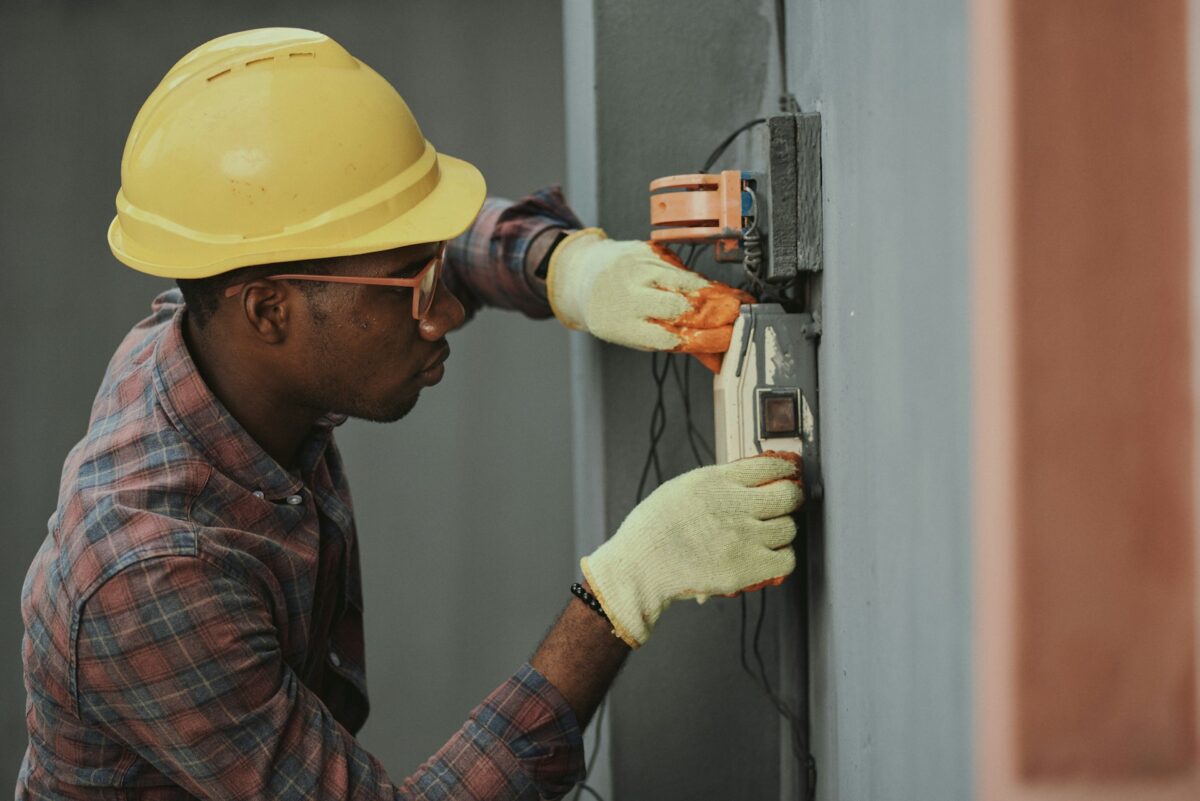
Buying your first home feels exciting, but it can also be full of hidden curveballs. Electrical wiring is one area many people overlook until something goes wrong. A small mistake can cause higher bills, faulty appliances, or even safety hazards. Knowing what to watch out for could save you money, time, and a few headaches.
Electrical issues aren’t just “contractor problems.” They directly affect how your home functions day to day. Studies show that improper wiring increases the risk of house fires significantly. That’s why understanding the basics—even at a surface level—gives you more control. Think of it as another way to protect the investment you worked so hard for.
Overloaded Circuits
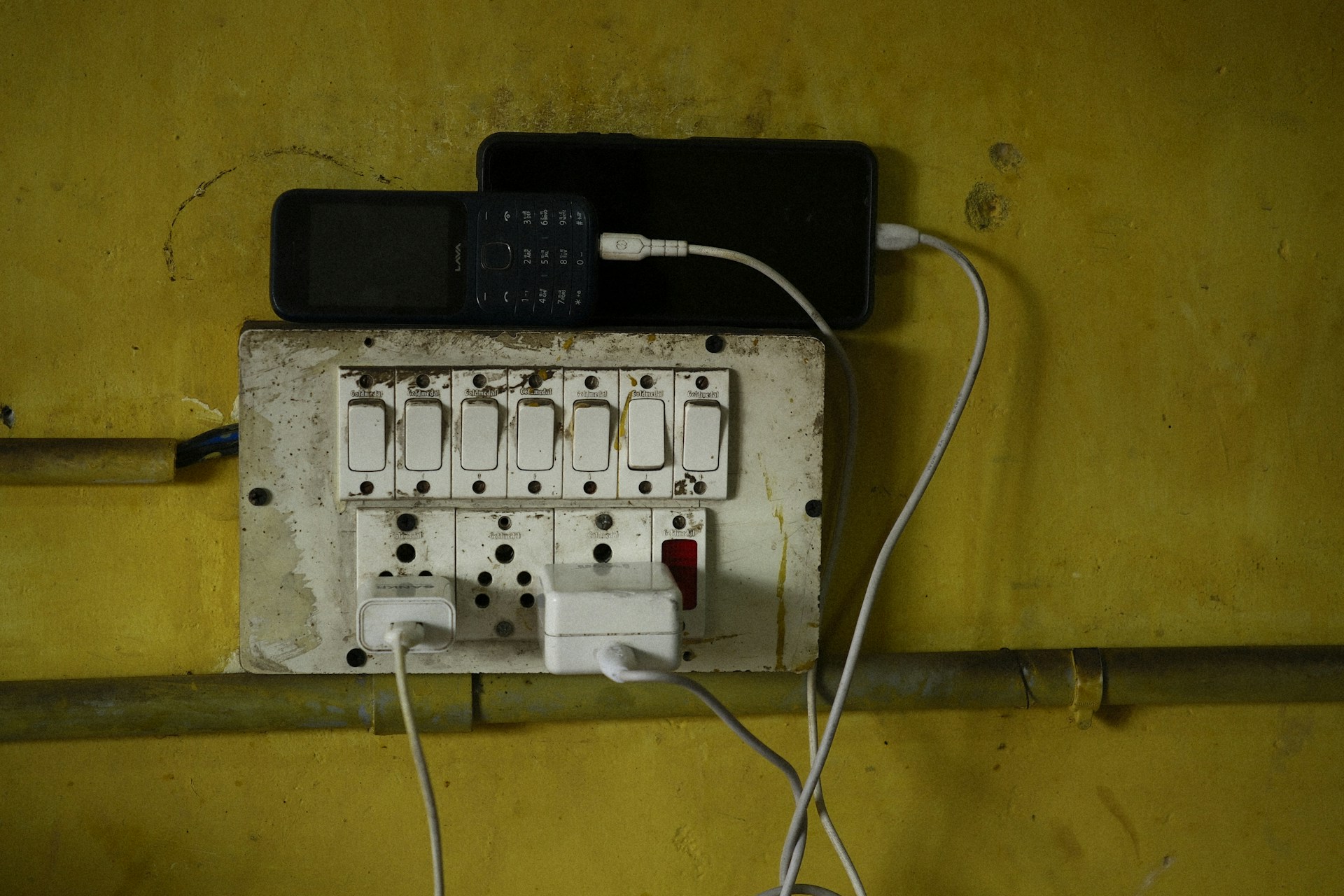 Plugging too many devices into one circuit is one of the biggest rookie mistakes. It doesn’t just trip the breaker; it can wear down wires over time. This kind of stress raises the chances of overheating and fire. Many experts say this is one of the leading causes of electrical-related accidents in homes.
If you notice lights flickering or outlets getting warm, that’s a red flag. The safe move is to spread out your devices or have a licensed electrician upgrade the panel. Adding more outlets in high-use rooms is often a smart long-term fix. A little planning can go a long way in keeping circuits safe and functional.
DIY Wiring Gone Wrong
The temptation to play electrician after watching a quick video is real. Unfortunately, most DIY wiring attempts end up being unsafe. Incorrectly connected wires can cause short circuits, shocks, or worse. Even experienced homeowners often underestimate the skill involved.
Electrical codes exist for a reason, and skipping them can be costly. If a home inspector finds shoddy wiring, it could lower resale value or force expensive repairs. Calling in a licensed professional may seem like an extra expense, but it’s much cheaper than repairing major damage later. Sometimes leaving things to the pros is the smartest move.
Using the Wrong Wire Size
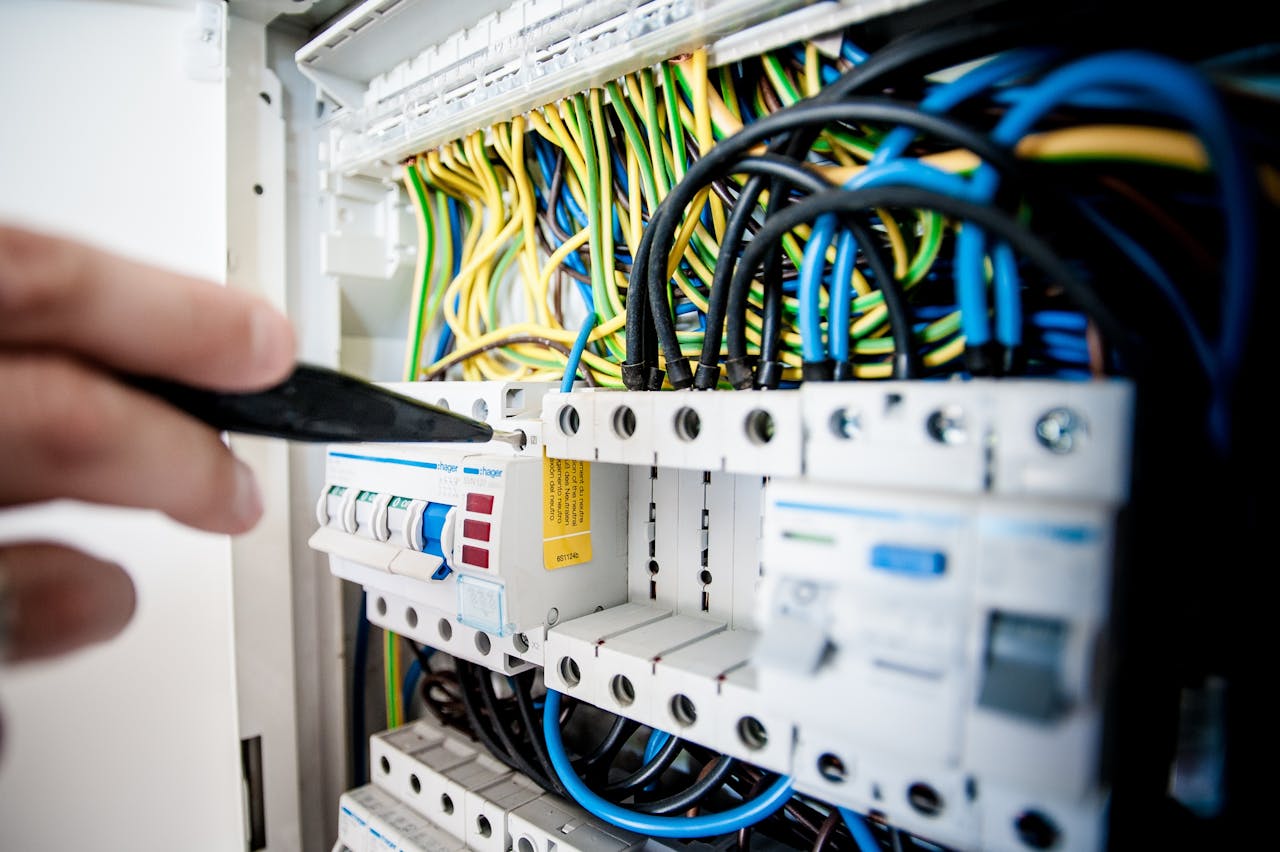
Not all wires are created equal. Using the wrong size for the job can lead to overheating, damaged appliances, and safety hazards. For example, a wire that’s too small for a high-powered appliance can literally melt. That’s the kind of problem you want to avoid before plugging in a new washer or oven.
Choosing the right wire size isn’t guesswork; it depends on the current load. Electricians often reference charts to make sure the wire matches the demand. For homeowners, the key is knowing this detail matters and double-checking before any installation. A single overlooked detail could spiral into expensive problems.
Ignoring Grounding
Grounding might sound technical, but it’s really just about safety. Without it, excess electricity has nowhere safe to go, and that’s how shocks happen. Grounding prevents damage to both people and appliances. Skipping it is like leaving your seatbelt unbuckled—you’re asking for trouble. Some older homes don’t even have grounded outlets, which makes upgrades essential. If you see two-prong outlets instead of three, that’s a warning sign. Updating to grounded outlets is a simple way to boost safety across the entire home. Think of it as one of the most important electrical upgrades a new homeowner can make.
Electrical wiring isn’t glamorous, but it’s vital. Small mistakes can grow into major problems if ignored. By spotting these common issues early, you keep your home safe, efficient, and comfortable. And remember—sometimes the smartest DIY move is calling in someone who knows the wires better than you do.