Why Some Rooms Feel Colder Even When the Thermostat Says Otherwise
A thermostat can report a comfortable temperature while one room still feels chilly. This is common in houses with multiple floors, large windows, poor airflow, or aging insulation. The thermostat measures conditions at one location, not throughout the entire home. If it sits near a warm hallway, it may register a higher temperature than a distant bedroom. Perceived comfort also depends on drafts, humidity, surface temperatures, and air movement. Understanding these factors can make it easier to find the real cause instead of simply raising the thermostat.
Checking Airflow and Vent Placement
Heating systems need to distribute warm air evenly. A room can remain cold when a supply vent is blocked by furniture, curtains, or rugs. Closed dampers can create a similar problem. In some homes, long duct runs lose heat before warm air reaches the final room. Return vents matter as well. Without a clear path for air to circulate back toward the heating system, warm air may struggle to move through the space. Doors can also affect circulation. A closed bedroom door may limit airflow, especially when that room has a weak return-air path. Checking vents, registers, and furniture placement is a simple starting point before considering larger improvements.
Investigating Windows and Exterior Walls
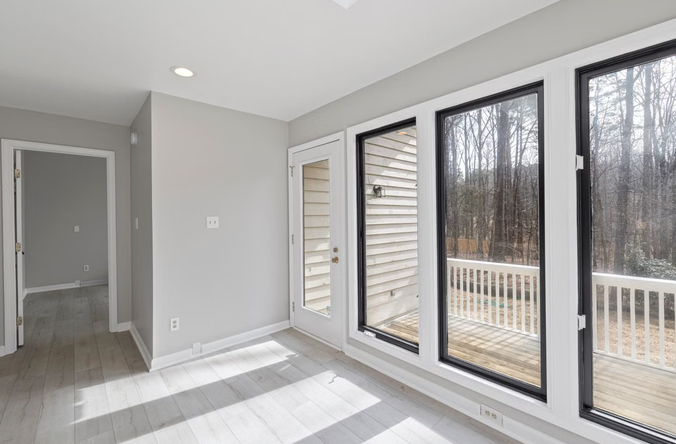
Windows are another major source of uneven temperatures. Older or poorly sealed windows can allow cold air to enter and warm indoor air to escape. Even when there is no obvious draft, a cold window surface can make people feel cooler because the body loses heat toward that colder surface. Exterior walls can create the same effect. Rooms with several outside-facing walls have more exposure to outdoor temperatures. Large windows, sliding doors, and poorly insulated corners can make the difference more noticeable. Weatherstripping, caulking, insulated curtains, and suitable window coverings may reduce heat loss. However, damaged frames or failed seals may require repairs.
Finding Problems With Insulation
Insulation slows the movement of heat between indoors and outdoors. When insulation is missing, compressed, or unevenly installed, certain rooms may lose heat faster than others. This can happen in attics, exterior walls, floors above unheated spaces, and areas around windows or doors. Older homes may have insulation that no longer performs as expected. Renovations can also leave gaps when sections are opened and not properly restored. A cold ceiling or wall does not automatically prove an insulation problem, but noticeable temperature differences can justify further inspection. Professional energy assessments can identify areas where heat is escaping. Thermal imaging may also reveal temperature patterns that are difficult to see during a normal inspection. These methods can help target improvements rather than adding insulation blindly.
Examining Sunlight and Room Location
A room’s position within the house can influence how warm it feels. South- or west-facing rooms may receive substantial sunlight during parts of the day, while shaded rooms may receive much less solar heat. Nearby buildings, trees, balconies, and roof overhangs can further change exposure. Floor level matters too. Heat naturally rises, so upper floors can feel warmer while rooms above garages, crawl spaces, or concrete slabs may feel cooler. Rooms located over unheated areas can lose heat through the floor. These differences are noticeable when outdoor temperatures fall.
Managing Temperature Perception
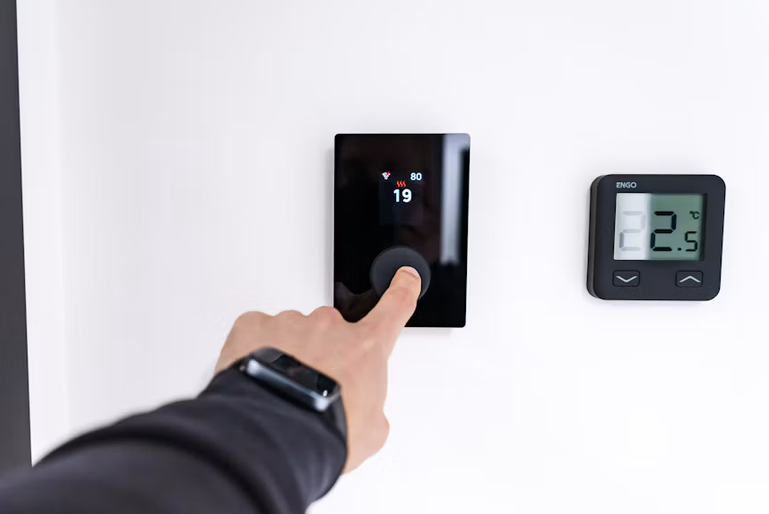
Temperature is not the only factor behind comfort. Air movement can make a room feel colder even when its measured temperature is similar to other areas. A ceiling fan, strong ventilation flow, or a small draft can increase heat loss from the skin. Humidity can also influence perception. Very dry indoor air may feel uncomfortable during heating periods, while excessive humidity can affect how warm or cool a space feels. Personal factors matter as well. Clothing, activity level, and individual sensitivity can change how two people experience the same room. Before adjusting the thermostat, compare temperatures in different rooms using the same type of thermometer. Check whether vents are open and unobstructed. Look for drafts around windows and doors. Notice whether cold surfaces or floors seem to be contributing to discomfort.
If one room consistently remains colder, the solution may involve airflow balancing, sealing, insulation, window improvements, or changes to the heating system. Raising the thermostat can warm the rest of the house without fixing the underlying issue. A comfortable home depends on more than one thermostat reading. The building envelope, heating system, room position, air circulation, and surface temperatures all interact. Identifying which factor is affecting a room can lead to an efficient and more practical improvement. Instead of treating every cold room as a thermostat problem, look at how heat enters, moves through, and leaves the space.